Togo Coastal Car Corrosion is a growing concern for drivers in Lomé, where salty coastal air, vehicle maintenance waste, and poor disposal practices can affect cars and the environment.
Togo: What Coastal Car Owners Should Know About Salt, Corrosion and Vehicle Waste in Lomé
Lomé’s position along the Gulf of Guinea gives the city a strong connection to the coast, but the marine environment also creates challenges for motorists. Humid, salty air can gradually contribute to rust and corrosion, while used tyres, batteries, engine oil containers and damaged vehicle parts can become environmental waste if they are not handled properly.
For motorists, understanding Togo Coastal Car Corrosion means looking beyond the appearance of the vehicle. Regular cleaning, maintenance, and responsible disposal can help protect both cars and Lomé’s coastal environment.
Why Coastal Air Can Be Hard on Cars
Salt and moisture are particularly troublesome for exposed metal surfaces. When salty particles settle on a vehicle and remain there with moisture, they can accelerate corrosion on areas such as underbody components, suspension parts, brake hardware and exposed fasteners.
Cars regularly driven close to the coast may therefore require more frequent washing than vehicles used farther inland. Particular attention should be given to wheel arches, the underside of the vehicle and drainage points where moisture and dirt can accumulate.
Areas Drivers Should Inspect
A simple visual inspection can reveal early warning signs. Owners should look for bubbling paint, surface rust, discoloured metal, corrosion around bolts and deterioration underneath the vehicle.
This is especially relevant when buying a used car through platforms such asAfriCarGroup Auto24, where buyers should consider the vehicle’s previous environment and maintenance history rather than judging condition only from its exterior.
Togo Coastal Car Corrosion Requires Regular Cleaning
Preventive maintenance can slow down the effects of the marine environment. Washing the vehicle removes salt, sand, and other deposits before they remain on vulnerable surfaces for long periods.
Underbody cleaning is particularly important because road dirt and moisture can remain trapped around suspension components and other metal parts. Drivers should also avoid allowing wet debris to remain inside wheel arches or around drainage channels.
For older vehicles, checking corrosion during routine servicing is useful because rust affecting structural or mechanical components can become more expensive to repair if ignored.
Vehicle Waste Is Also a Coastal Environmental Issue
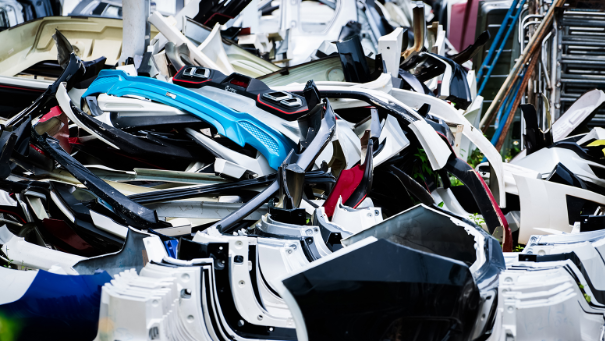
The environmental challenge does not end with corrosion. Vehicle maintenance generates several types of waste, including used engine oil, filters, batteries, tyres, damaged metal parts and plastic containers.
Lomé’s wider waste-management challenge makes responsible disposal particularly important. A 2024 study of the Greater Lomé coastline identified 510 kg of collected waste across six study sites, with flexible plastics among the dominant categories. The research also identified numerous uncontrolled disposal locations along the coastline.
Recent activity shows that coastal waste remains a current concern. In February 2026, an ECOWAS-supported beach clean-up in Lomé combined plastic collection with coconut-tree planting and a circular-economy awareness campaign.
Where Car Maintenance Fits In
Garages and vehicle owners can contribute by keeping used oil, batteries, tyres, and metal components out of drains, empty plots and waterways. Waste from workshops should be collected and transferred through appropriate disposal or recycling channels wherever available.
This matters because waste entering drainage systems can eventually reach coastal areas. Research on Lomé has documented how waste from urban activities can be carried toward the beach and sea through drainage systems.
Protecting Cars and the Coast Together
Good vehicle maintenance can support environmental protection at the same time. Washing away salt reduces the risk of Togo Coastal Car Corrosion, while proper maintenance helps extend vehicle life and reduces the need to replace damaged components prematurely.
Drivers can also help by choosing repair over unnecessary replacement when a component can safely be restored, returning used batteries and tyres to appropriate collection points, and ensuring that mechanics do not pour used fluids into drains or open ground.
A Small Maintenance Habit Can Make a Difference
Lomé’s coastal environment creates a direct connection between vehicle care and environmental responsibility. A cleaner, better-maintained car is less likely to develop serious corrosion, while responsible handling of maintenance waste reduces the possibility of harmful materials reaching streets, drains and the coastline.
For motorists, Togo Coastal Car Corrosion is therefore not simply a rust problem. It is part of a wider conversation about how cars are maintained, repaired and eventually disposed of in a busy coastal city.
Conclusion
Coastal driving in Lomé requires motorists to think about both vehicle durability and environmental responsibility. Regular washing, underbody inspections and early rust treatment can help limit corrosion, while careful disposal of batteries, tyres, oils and other workshop waste can reduce pressure on the city’s coastal environment. As Lomé continues efforts to improve waste management and protect its coastline, responsible vehicle ownership can play a practical role.
Do you drive regularly near the coast in Lomé? Share your experience with rust, salt buildup, or vehicle waste disposal in Togo in the comments.